
 EN
EN
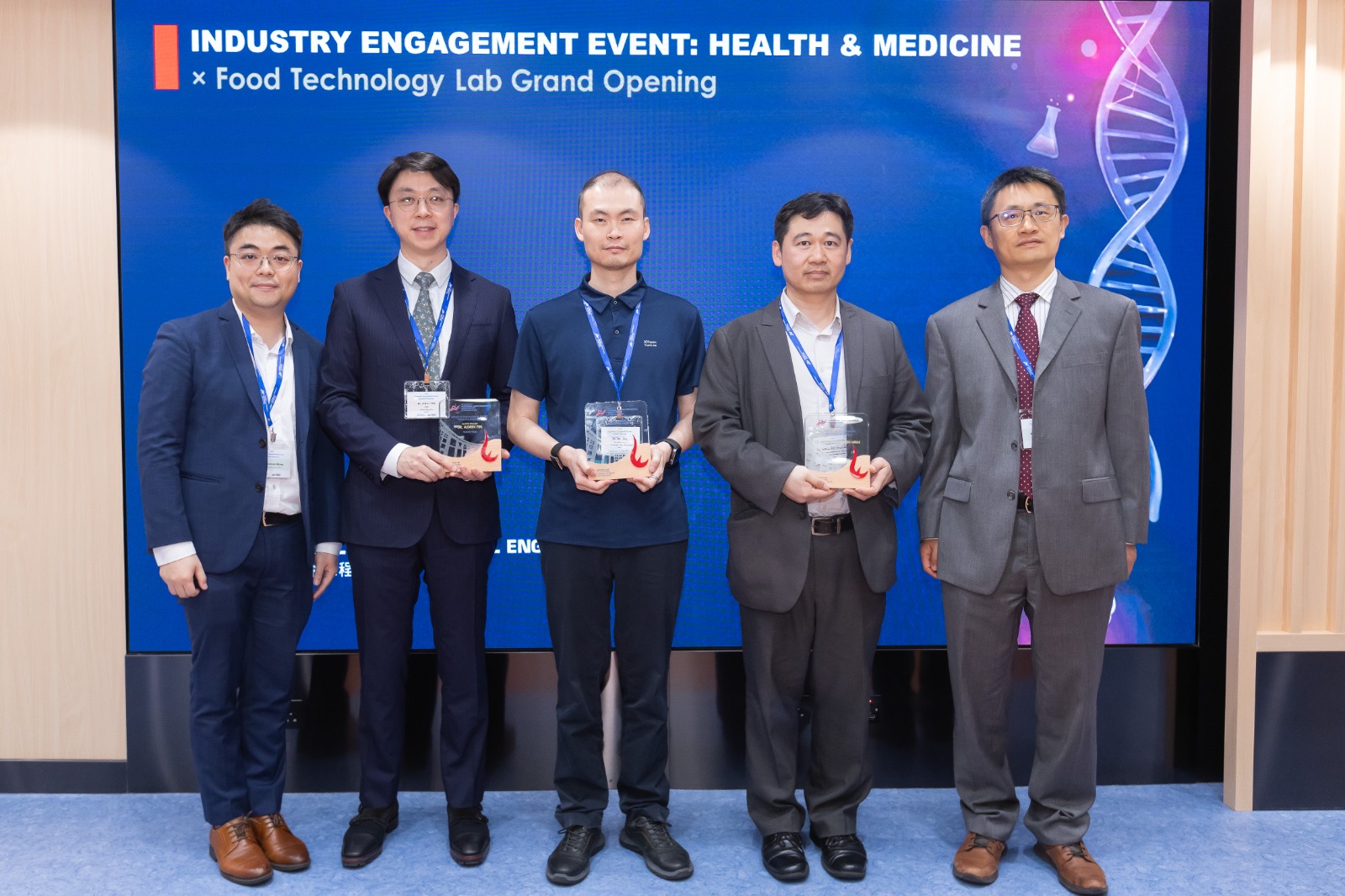
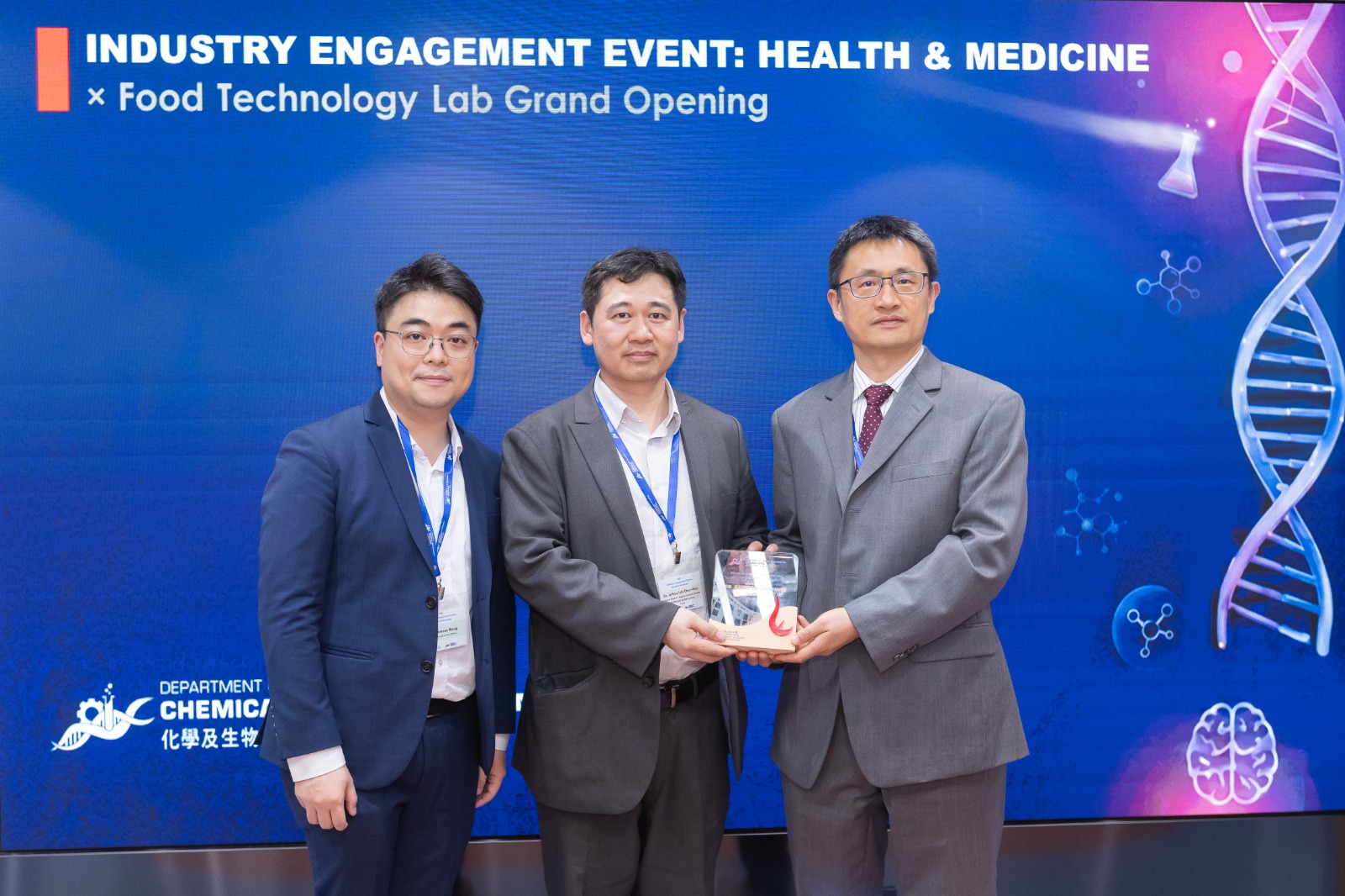
On May 15, 2026, the 2nd “Industry Connects University” (I-Connect-U) Biennial Forum and the Opening Ceremony of the Chemical and Biological Engineering Department's Industry-Academia-Research Collaboration and Food Technology Laboratory, organized by the School of Engineering and the Department of Chemical and Biological Engineering at the Hong Kong University of Science and Technology (HKUST), was successfully held on campus.
As a flagship initiative by HKUST's School of Engineering to deepen university-industry collaboration and strengthen strategic ties with the industrial sector, the “I-Connect-U” forum focused on core forward-looking topics such as healthcare and cutting-edge technology translation. The event attracted nearly a hundred industry experts, leading scholars, distinguished alumni, and faculty-student representatives for in-depth exchanges.
Dr. Jeffrey Lai (Dr. Lai Chun Wan), Medical Laboratory Director of Elite Medical , was invited as an industry leader to attend the event. He participated in the Panel Discussion / Fireside Chat hosted by Professor Terence Wong (Prof. Huang Ziwei), Associate Head of the Department of Chemical and Biological Engineering at HKUST . Alongside senior executives from several international leading enterprises, he shared the latest insights on the integrated development of precision medicine and artificial intelligence (AI).
Drawing on his multidisciplinary background spanning biology, computer science, and business management (Ph.D. in Biochemistry from Brigham Young University, USA; Postdoctoral Fellow in the Department of Pathology at The University of Hong Kong; Master's degree in Bioinformatics, Bachelor's degree in Computer Science, and EMBA), Dr. Jeffrey Lai delivered a comprehensive overview of the key pillars of future precision medicine technology:
- Multi-Cancer Early Detection (MCED): Medical testing is accelerating toward the new reality of "single-tube blood screening." Through cfDNA fragmentomics analysis or high-sensitivity PCR technology, cancer diagnosis time can be significantly advanced.
- AI-Assisted Medicine: Leveraging big data and sophisticated algorithms to optimize clinical decision-making, providing efficient disease diagnosis, prognosis assessment, and personalized treatment response prediction.
- Cell and Gene Therapy: Utilizing advanced gene engineering technologies (such as the CRISPR/Cas9 system) and novel therapies (such as CAR-T cell therapy) to open a new chapter in precision oncology.
- Multi-Omics Integrated Analysis: Integrating DNA, RNA, protein, and metabolomics data to comprehensively decipher the biological essence of diseases and achieve more holistic personalized medicine.
Dr. Lai particularly highlighted that Elite Medical is actively introducing world-leading technology platforms into local clinical practice. This includes the adoption of the industry-leading MERCURY™ tumor cell-free DNA (cfDNA) fragmentomics technology to advance the CanScan™ Plus multi-cancer early detection program. By using ultra-low depth whole-genome sequencing (Shallow WGS) to analyze nucleosome mapping, the platform can precisely identify the tissue of origin (TOO) for up to 13 types of cancer. Additionally, in collaboration with the renowned European institution OncoDNA, the company has launched the OncoDEEP comprehensive genomic sequencing panel, covering 638 DNA genes and 22 RNA driver genes, to provide patients with fully personalized cancer treatment strategies. This platform strictly adheres to multiple international quality and data security certifications (ISO 15189, ISO 13485, ISO 27001, GCP, and GDPR), ensuring high precision and full regulatory compliance in clinical applications.
When discussing "Academic-Industry Translation" — the core objective of I-Connect-U — Dr. Lai pointed out that transforming a scientific research achievement from the laboratory to the clinical market is a complex systemic project encompassing preclinical research, phased clinical trials, multi-country regulatory registrations (such as NMPA, CE, or FDA), and support from government and science park funding. He strongly advocated that higher education institutions in the Greater Bay Area should place greater emphasis on cultivating "Bio-Entrepreneurship" hybrid talents who possess scientific backgrounds, regulatory compliance knowledge, and business acumen. This will help build a cross-disciplinary talent ecosystem with a "T-shaped knowledge structure," thereby accelerating the transformation of cutting-edge technologies into globally marketable products that protect public health.
At the conclusion of the event,Professor Shao Minhua, Head of the Department of Chemical and Biological Engineering , presented commemorative plaques to Dr. Jeffrey Lai and other guest speakers in appreciation of their outstanding contributions to promoting industry-academia-research collaboration and the development of the HKUST "I-Connect-U" platform.
Elite Medical has always upheld the mission of "integrating global premium resources and leading the transformation of clinical diagnostics." In the future, the company will continue to leverage its Next-Generation Sequencing (NGS) medical testing laboratory in Kwun Tong — which holds dual high-standard CAP/CLIA accreditations — to deepen strategic university-industry partnerships with top institutions such as the Hong Kong University of Science and Technology. Together, they will promote the localization of precision medicine, multi-omics technologies, and AI-assisted healthcare, bringing world-class precision health management services to residents in Hong Kong, Macao, and the broader Asia-Pacific region.
